
Sleep Center
Untreated Obstructive Sleep Apnea causes daytime sleepiness,
worsening of hypertension, diabetes and cardio-vascular
complications. Patients with Obstructive Sleep Apnea have an
accident rate of seven times that of normal people. An overnight
sleep study in one of our sleep laboratories can diagnose and
identify appropriate treatment for sleep apnea patients.
Our Sleep Disorder Centers are accredited by the American
Academy of Sleep Medicine and are directed by Board Certified
Sleep Physicians. Sleep studies are available seven nights a
week for your convenience.
Miami Location
198 NW 37th Avenue, 2nd floor
Miami, FL 33125-4826
305.567.2080 Telephone
305.567.2081 Fax
Kendall Location
8600 SW 92 Street, Suite 204C
Miami FL 33156
305.275.4750 Telephone
305.567.2081 Fax
The Miami Location Sleep Center
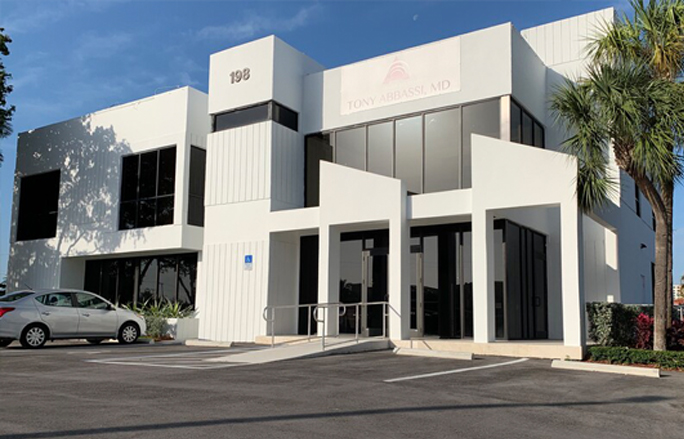
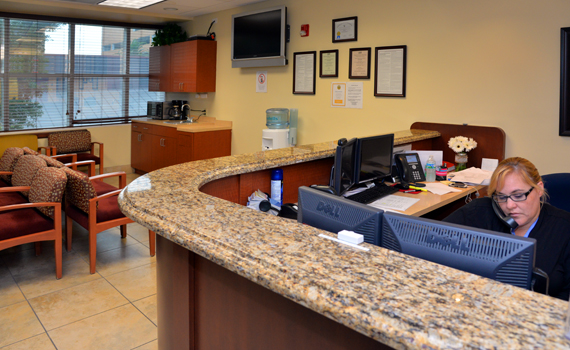
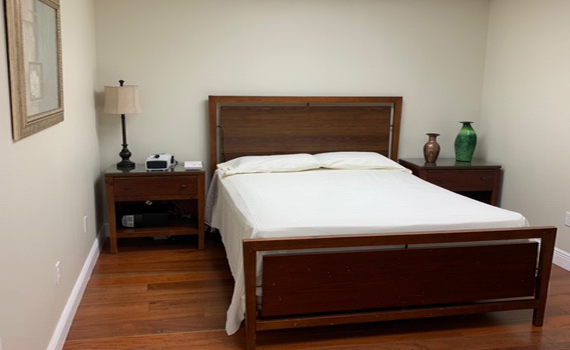
Sleep is essential, without it your body's nervous system would not work properly and your brain could not regenerate the neurons necessary for proper brain function. A good night sleep may be linked to optimal and social functioning during waking hours.
The Kendall Location Sleep Center
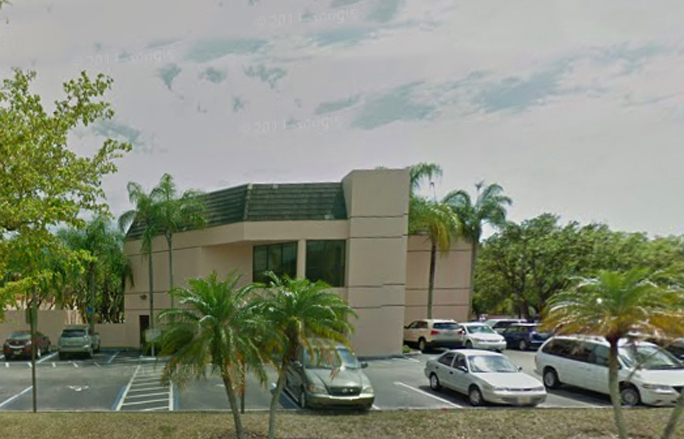
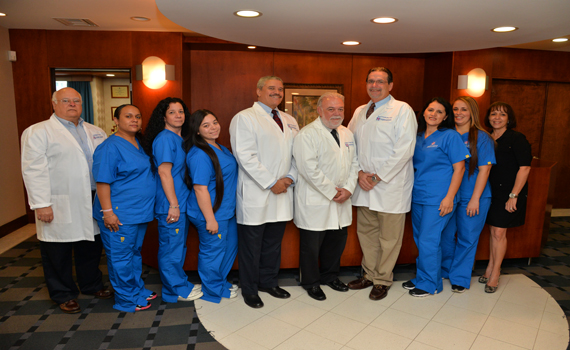
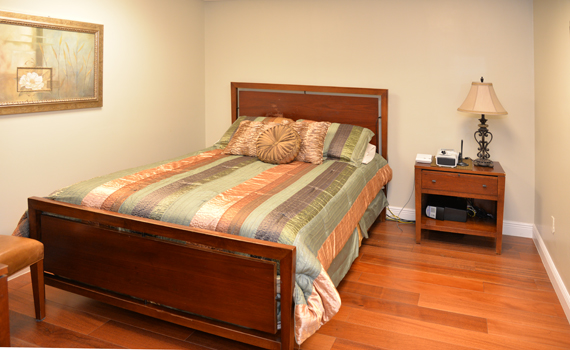
Our Sleep Disorder Centers are accredited by the American Academy of Sleep Medicine and are directed by Board Certified Sleep Physicians. Sleep studies are available seven nights a week for your convenience.